

How a Modern Dental Lab Creates Your Custom Smile
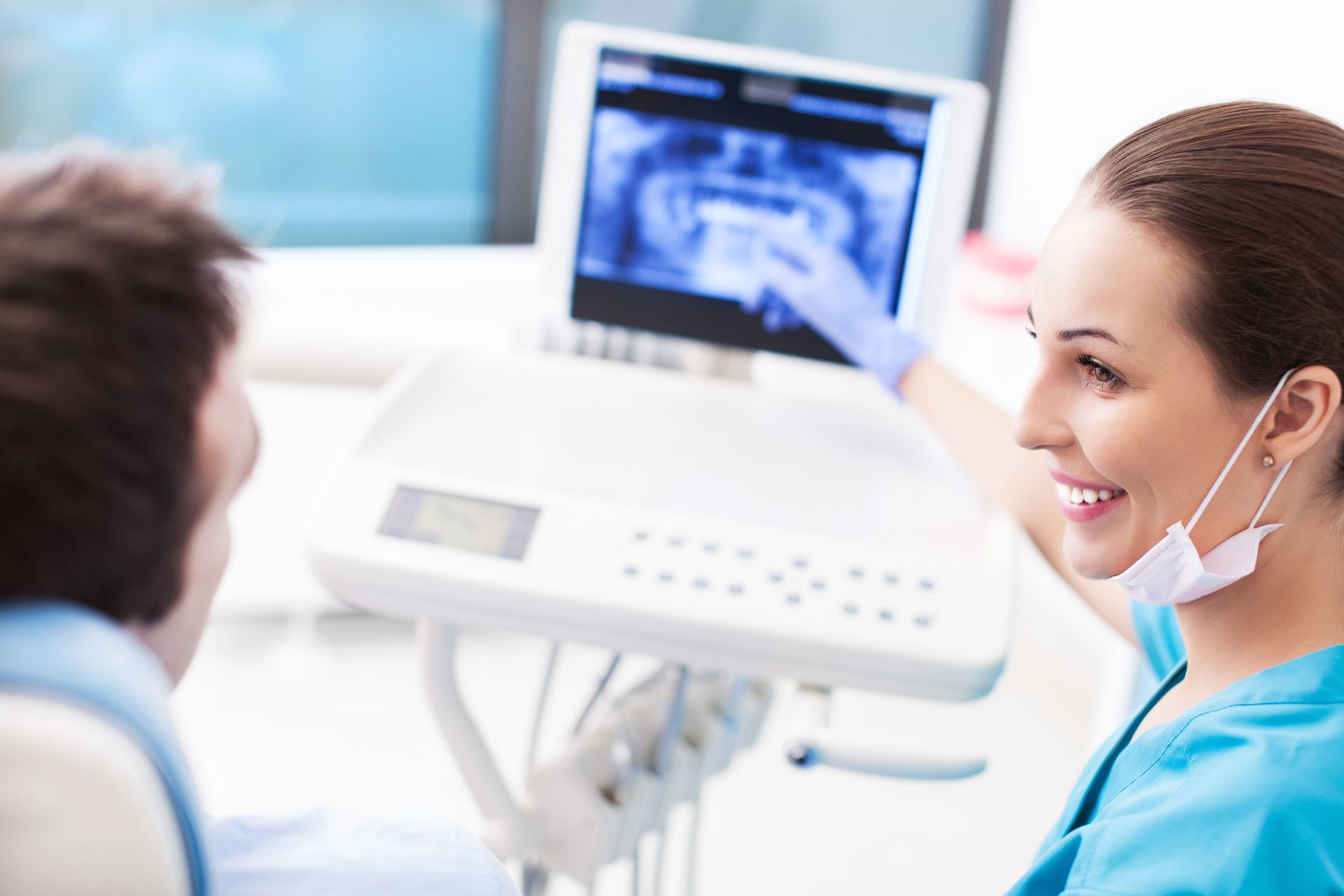
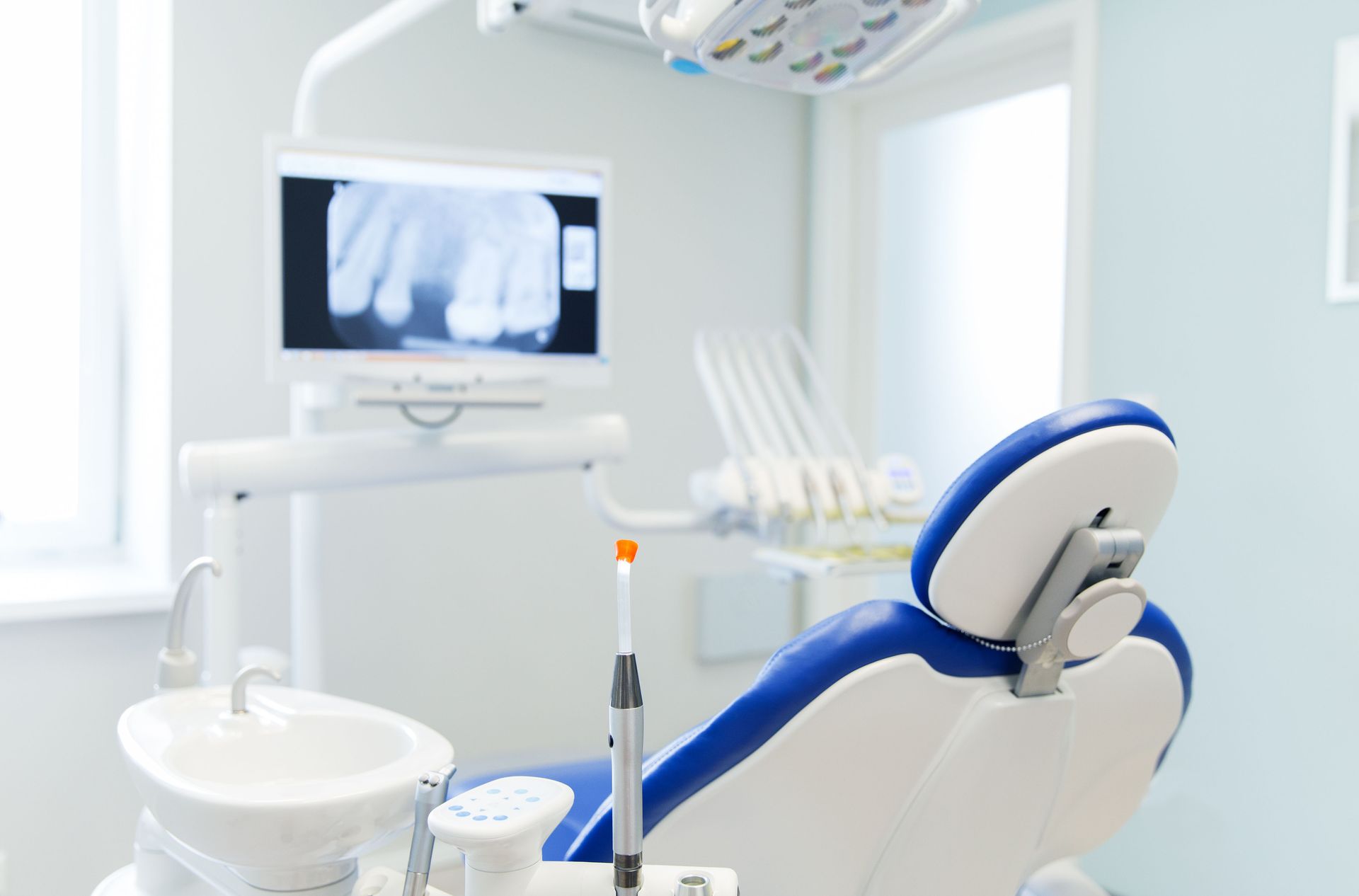
The journey toward a perfect smile often begins in a clinical chair, but the true artistry happens behind the scenes. While patients interact primarily with their clinicians, the silent partner in every successful restoration is the dental lab. This specialized facility serves as the bridge between clinical necessity and aesthetic perfection.
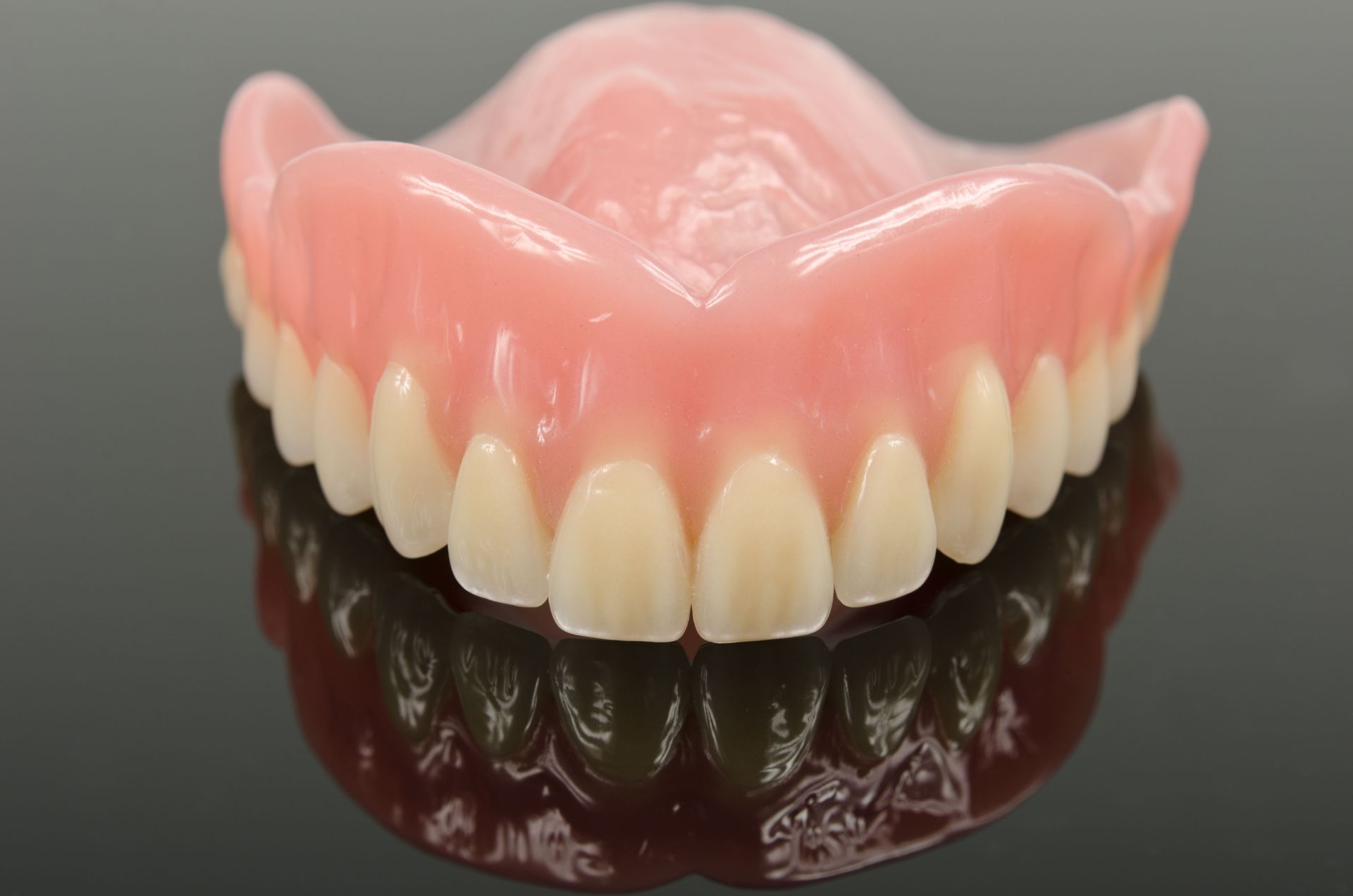
Modern restorative work is no longer just about filling gaps; it is about restoring confidence and ensuring long-term oral health. Every crown, bridge, or aligner is a bespoke creation tailored to the unique contours of a single person. This process requires a delicate balance of technology and hand-finished craftsmanship.
Leveraging Digital Scanning Technology
Modern restorative workflows almost always begin with a digital impression. In the past, patients had to endure uncomfortable putty molds that were prone to distortion. Today, intraoral scanners capture every ridge and groove of the mouth with incredible accuracy. These digital files are transmitted instantly to the dental lab, where technicians begin the process of virtual reconstruction.
Once the digital file arrives, the software allows for a three-dimensional view of the patient’s existing bite and tooth structure. This level of detail ensures that any new addition will fit seamlessly alongside natural teeth. By starting with a digital foundation, the margin for error is significantly reduced, leading to better outcomes for the patient and the provider.
Designing Precise Virtual Models
After the scans are processed, technicians use Computer-Aided Design programs to architect the restoration. This phase is where the blueprint for the smile is drawn. The designer considers several factors, including the height of the neighboring teeth, the way the upper and lower jaws meet, and the overall symmetry of the face.
The software allows the technician to rotate the model and view it from every possible angle. This ensures that the thickness of the material is sufficient for durability while maintaining a natural appearance. Because the design is digital, adjustments can be made with a few clicks before any physical material is ever touched, saving time and resources.
Milling Durable Ceramic Materials
Once the design is finalized, the data is sent to a milling machine. This device acts like a high-tech sculptor, carving the restoration out of a solid block of ceramic or zirconia.
The milling process is incredibly precise, following the digital blueprint down to the micron. This phase represents the intersection of heavy machinery and delicate medical requirements. Even though the machine does the heavy lifting, the selection of the correct material block is a critical decision made by the experts at the dental lab to ensure the restoration lasts for many years.
Refining Aesthetics Through Artistry
While machines provide the structure, human hands provide the soul of a restoration. After a crown or bridge is milled, it often looks monochromatic and overly uniform. Skilled ceramists step in to apply various stains and glazes that replicate the subtle gradients found in natural teeth.
Technicians look at photos of the patient to match the exact shade of their surrounding dentition. They might add tiny characterizations, such as slight translucency at the edges or subtle textures on the surface.
Sintering Units for Strength
After the artistic layers are applied, the restoration must undergo a firing process in a high-temperature oven. This process, known as sintering, fuses the ceramic particles together to reach maximum density and hardness. It is during this phase that the material achieves its final color and structural integrity.
The temperature and timing of this process must be controlled perfectly. If the heat is too low, the restoration might be brittle; if it is too high, the aesthetics could be compromised. This controlled environment is a hallmark of a professional dental lab, where every variable is monitored to produce a safe and reliable medical device.
Integrating Orthodontic Solution Needs
Restorations are only one part of the puzzle; alignment is equally important for a healthy smile. Many people are seeking ways to straighten their teeth due to the influence of digital culture and visual self-awareness. According to Forbes, 29% of individuals who felt social media pressure to alter their smiles considered getting professional aligners from a dentist.
To meet this demand, the dental lab produces clear aligner systems using sophisticated thermoforming techniques. By moving teeth gradually, these devices provide a discreet way for patients to achieve the alignment they desire without the need for traditional metal brackets.
Maintaining High Quality Standards
Before any restoration or appliance leaves the facility, it must pass a rigorous inspection. Quality control specialists check the fit against the original models to ensure the margins are tight and the occlusion is correct. Any minor imperfection is addressed at this stage to prevent the need for adjustments during the patient's appointment.
A high-functioning dental lab prioritizes these checks to maintain a reputation for excellence. By the time the package is shipped back to the clinic, it represents hours of collaborative effort between designers, machines, and artists.
The Evolution of Dental Craft
The industry has seen a massive shift in recent years toward more biocompatible and aesthetic options. Consider the following improvements in the modern workflow:
- Transitioning from metal-based foundations to full-ceramic structures for better gum health.
- Moving from physical shipping of molds to instant cloud-based data transfers.
- Utilizing high-resolution resin printing for temporary restorations and surgical guides.
- Employing shade-matching technology that eliminates human error in color selection.
These advancements have made the process faster and more comfortable for everyone involved. The relationship between the clinician and the dental lab has become more integrated, allowing for real-time communication and better treatment planning.
The Impact of Personalized Care
Every patient presents a different set of challenges, from missing teeth to severe wear. The versatility of a modern dental lab allows for solutions that range from a single veneer to a full-arch replacement. This flexibility ensures that no matter the state of a person's oral health, there is a path forward toward restoration.
Customization is the key to longevity. When a restoration is built specifically for an individual’s bite, it reduces the risk of chips, cracks, or jaw pain. This personalized approach is what makes the investment in high-quality dental work worthwhile.
The Role of Expert Technicians
Behind every piece of equipment is a technician with years of specialized training. These professionals must understand:
- The chemical properties of various porcelains and polymers.
- The mechanics of the human jaw and how teeth interact during chewing.
- The artistic principles of light, shadow, and color theory.
- The strict sanitation and safety protocols are required for medical manufacturing.
It is the expertise of these individuals that truly defines the quality of a dental lab. While software can suggest a tooth shape, the technician makes the final call on what will look best in the patient's mouth. This human element remains the most important factor in the creation of a custom smile.
Looking Toward Future Innovations
The future of dental fabrication looks even more promising with the rise of artificial intelligence and new material sciences. AI is beginning to assist in the initial design phases, suggesting tooth shapes based on vast databases of natural dentition. This helps the dental lab produce even more consistent results in less time.
Furthermore, new materials are being developed that better mimic the wear patterns of natural teeth, ensuring that restorations do not cause damage to the opposing natural dentition over time. These innovations continue to push the boundaries of what is possible, making the dream of a perfect, lasting smile a reality for more people every day.
The collaboration between your dentist and the technical experts is what makes a beautiful smile possible. From the first scan to the final polish, every step is handled with care and precision. When you are ready to experience the highest standard of restorative and orthodontic craftsmanship, look to the experts at NHDL Dental and Orthodontics Laboratory.







Share On: